Easter is a time of chocolate eggs, spring blooms, and family fun – but while the celebrations are in full swing, the RSPCA is urging pet owners in Andover and across the UK to keep their furry companions safe.
Whether it’s dogs sniffing out sweet treats or cats brushing past fresh flowers, the long weekend brings a surprising number of hidden hazards for animals. The charity has released essential advice to help ensure pets enjoy a healthy, drama-free Easter.
Tails Up, Chocs Away!
It wouldn’t be Easter without a few chocolate eggs or hot cross buns – but these festive favourites can be deadly for dogs. Chocolate and raisins are both toxic and can cause serious illness or even death.
“It’s important to make sure dogs aren’t fed these foods and they’re kept out of reach,” the RSPCA advises. “If your dog does accidentally eat them, it’s vital to contact your vet straight away, even if it’s out-of-hours.”
RSPCA Head Vet Rebecca Ashman said:
“If you want to share treats with your dog this Easter, it’s important to stick to specially made dog treats, or you could even make your own in fun Easter shapes with dog-friendly ingredients. This will avoid a very worrying – and potentially costly – trip to the vets.
“Keep chocolate and hot cross buns out of sight and reach, and prevent children from feeding them to pets, however well-meaning they might be. Dogs can be very good at begging for tasty food and we all want to make our pets happy, but if you give in you risk poisoning them and making them seriously ill – so don’t fall for those puppy dog eyes and make sure any treats you give them are pet-friendly.”

Bunnies Aren’t Just for Easter
The image of the Easter Bunny may be a seasonal favourite, but the RSPCA warns against the impulsive purchase of real-life rabbits during this time of year.
Between 2022 and 2024, the RSPCA took in over 2,600 unwanted rabbits. Animal welfare expert Dominika Jagoda said:
“If people are considering getting rabbits as pets this Easter then they need to consider the time and cost of caring for them. They need so much more than just a hutch at the end of the garden and are very complex animals with needs for company, stimulation and exercise. They also have long life spans of around eight to 12 years so are a big commitment for any family.”
“When rabbits are bought on impulse, such as an Easter gift, the owner may not realise how complex they are to care for and what a commitment caring for rabbits can be. We would urge anyone considering taking on rabbits this Easter – ideally a neutered male and neutered female pair – to research their needs thoroughly and adopt from an animal or rescue centre like those run by the RSPCA and other reputable organisations and not shop for them.”

Paws Off the Petals Please
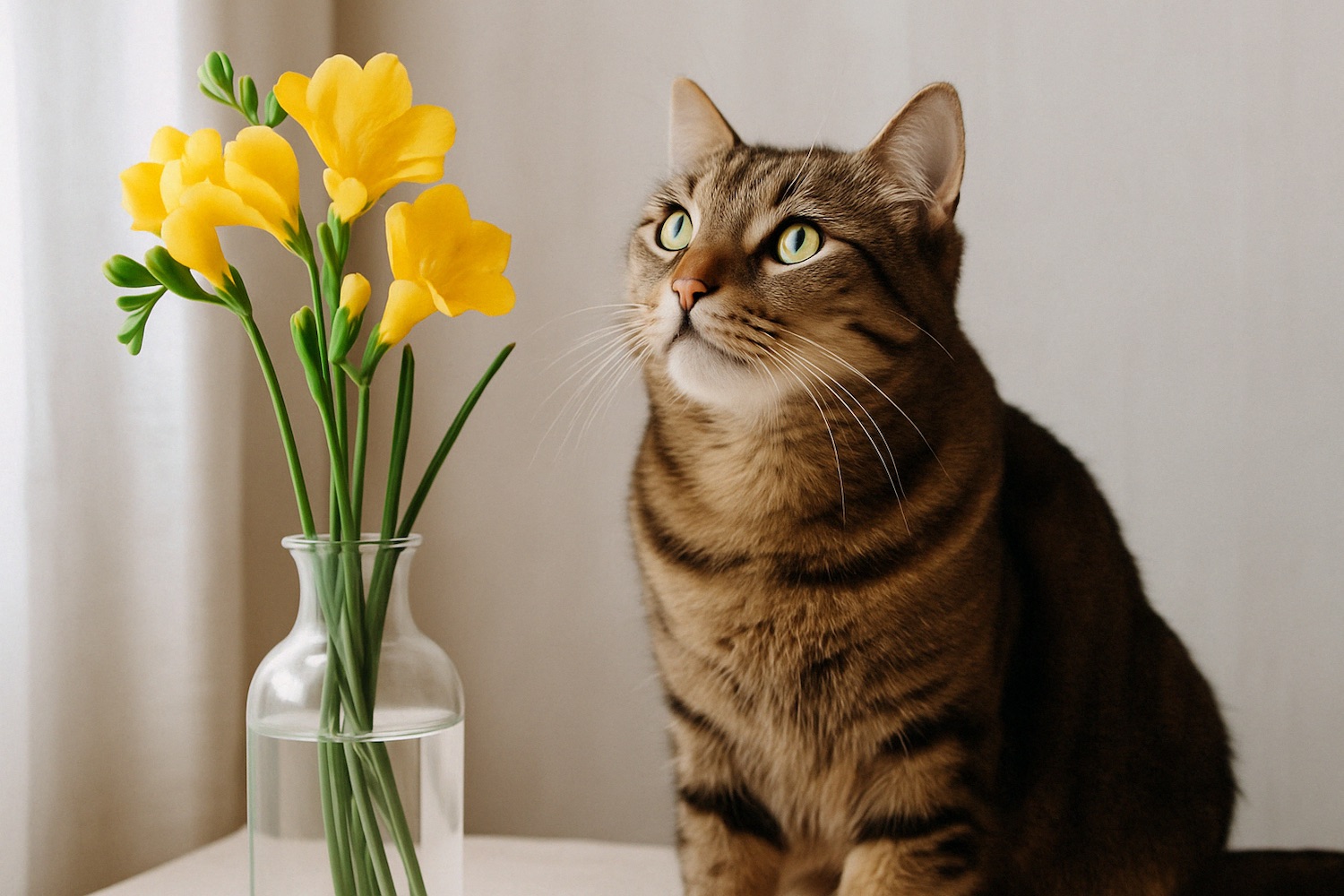
Spring flowers might brighten your home, but some of the season’s most popular blooms can be highly toxic to cats.
Dominika continued:
“I, like many people, love flowers – but sadly some flowers and plants can be toxic to our pets so it’s important to avoid these.
Lilies can be a particular problem because they are so popular at this time of year, but people are not always aware of just how dangerous they are to cats.“Cats can actually die from ingesting even small amounts of petals from lilies, and the leaves, pollen, and water from the vase can be deadly to them too. Even cutting the stamens out once they have opened is not enough. A small smudge of pollen can be transferred to a cat’s fur, and once a cat starts cleaning themselves, they can quickly fall ill. They can really suffer – it’s distressing to see and heartbreaking for owners.”
Other flowers such as daffodils, tulips, peonies, and hyacinths can also pose risks to cats, and some may be harmful to dogs as well. Even non-toxic plants can cause mild stomach upsets if ingested, so it’s best to place all floral displays well out of reach.
She added:
“This doesn’t mean we can’t fill our homes and gardens with beautiful flowers – but it’s important to make sure we choose blooms that are safe for our pets.”
Pet-friendly options include roses, freesias, and sunflowers – a safer choice for households with curious paws.
Creating a Wildlife-Friendly Garden
While you’re enjoying the garden over Easter, the RSPCA is also encouraging households to think of local wildlife.
Tips include:
- Leaving wild areas in your garden to attract insects
- Covering drains and checking lawns before mowing
- Avoiding the use of harmful chemicals
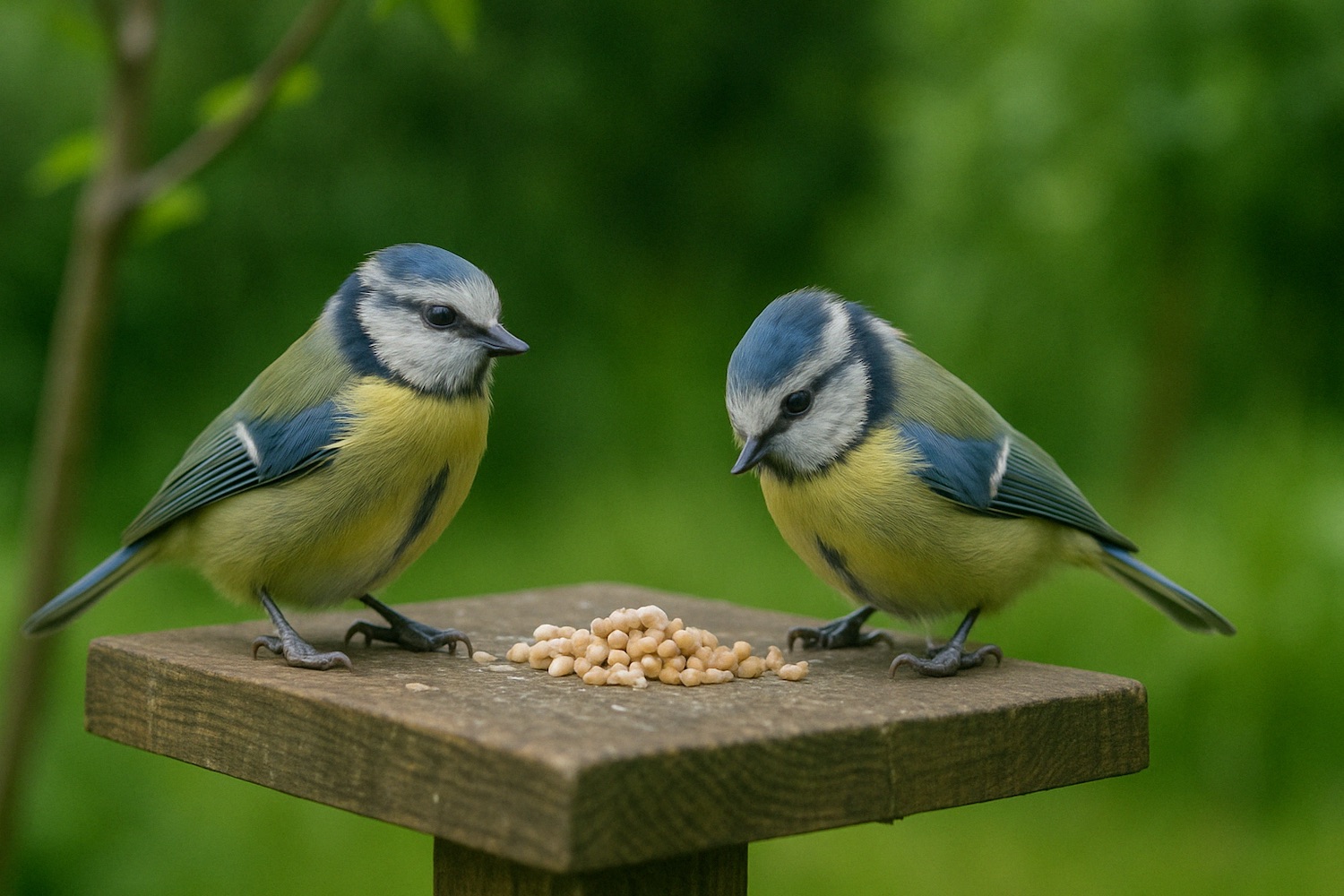
- Providing clean water and food for hedgehogs and birds
- Adding features like ponds with ramps, insect hotels, or ‘hogitats’ for hedgehogs
These small actions can help create a safe haven for wildlife – something many Andover households are already passionate about.
For more advice and full safety tips, visit the RSPCA’s website at www.rspca.org.uk.