
The NHS is urging expectant mothers to get vaccinated against RSV to protect their newborns ahead of the coming winter, as cases of the potentially serious virus are expected to rise.
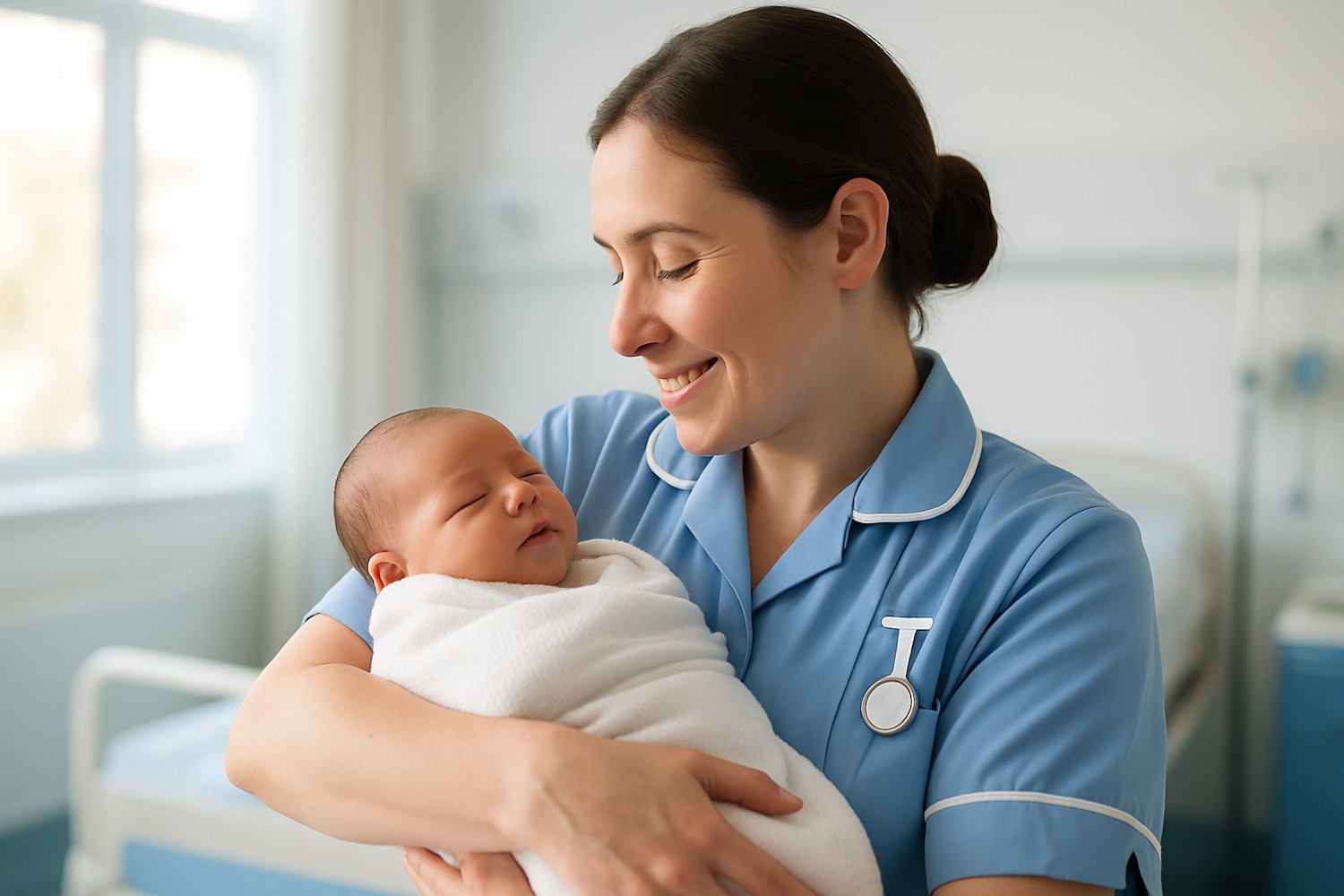
Respiratory syncytial virus (RSV) is a leading cause of infant hospitalisations and a significant contributor to child mortality worldwide. In England last winter, almost 7,000 hospital bed days were taken up by children with RSV between November 2024 and March 2025.
Following a record RSV season in Australia last year – often a predictor of the UK’s winter trends – cases have been steadily increasing since early 2025, with almost half of cases in children under four.
Vaccine Advice for Pregnant Women
England’s Chief Midwifery Officer, Kate Brintworth, is urging all pregnant women from 28 weeks to speak to their maternity teams about vaccination:
“Getting vaccinated while pregnant is the best way to protect your baby from the moment they are born. Now is the time to act, to make sure winter babies are protected during their most vulnerable first months.”
The RSV vaccine was first offered to pregnant women in England last September and has already protected more than 300,000 mothers and babies. NHS teams have now delivered over two million RSV vaccinations to eligible people since the rollout began.
Pregnant women can access the jab through their maternity services or GP practice, and around 100 community pharmacies in the East of England and Midlands are also offering the vaccine. NHS England plans to expand this to 150 additional pharmacies, especially in areas with limited access.
Why RSV Vaccination Matters
RSV typically causes cold‑like symptoms in adults, but for babies and older adults it can lead to serious breathing problems requiring hospitalisation. New research from the UK Health Security Agency (UKHSA) shows the maternal vaccine is 72% effective at preventing hospitalisation for newborns if given at least 14 days before delivery.
Consultant Midwife Greta Hayward explains:
“Having the RSV vaccine during every pregnancy is the best way for women to protect their newborn against RSV. Antibodies pass through the placenta, giving babies protection from birth.”
The RSV season usually starts in October, with babies born in late summer and autumn most likely to require hospital care.
A Mother’s Story
Student midwife Yusra Osman experienced the danger of RSV first‑hand when her first child developed bronchiolitis at just three months old:
“I found him gasping for breath, and his chest was caving in and out. Everything was a blur. We spent several nights in hospital on oxygen and a feeding tube – it was terrifying.”
Yusra’s son recovered but now has asthma, which flares up with every illness.
“If the RSV vaccine had been available then, I’d definitely have had it. It could save another family from going through what we did.”
How to Get Vaccinated
- Pregnant women from 28 weeks can book the RSV vaccine via their midwife or GP.
- Older adults aged 75–79 are also eligible and will be contacted by the NHS.
- Parents should also ensure children are up to date on routine vaccinations, including MMR and meningitis.
The NHS will also offer nirsevimab, a protective injection for high‑risk and very preterm babies, from late September.
For more information, visit www.nhs.uk/RSV.