
As the deadline of 31 March 2026 approaches for towns to submit an Expression of Interest (EOI) to the UK Government’s Town of Culture 2028 competition, the question must be asked: should Andover put itself forward?
The competition, administered via the GOV.UK website, is open to towns across the UK (excluding Greater London) and will see winners crowned in small, medium and large town categories. Shortlisted places will receive £60,000 to develop full bids, with the overall winner awarded £3 million to deliver a year-long cultural programme. Two runners-up will each receive £250,000. Finalists will be announced in spring 2026, with the overall winner confirmed in early 2027.
The criteria are clear: towns must tell a compelling story, demonstrate that culture is for everyone, and prove they can deliver.
So, does Andover have a case?
A Town With Deep Roots
Andover’s story stretches back thousands of years. Archaeological discoveries in the area have revealed evidence of Bronze Age settlement, while the nearby Danebury Hillfort stands as one of the most important Iron Age hillforts in Europe.
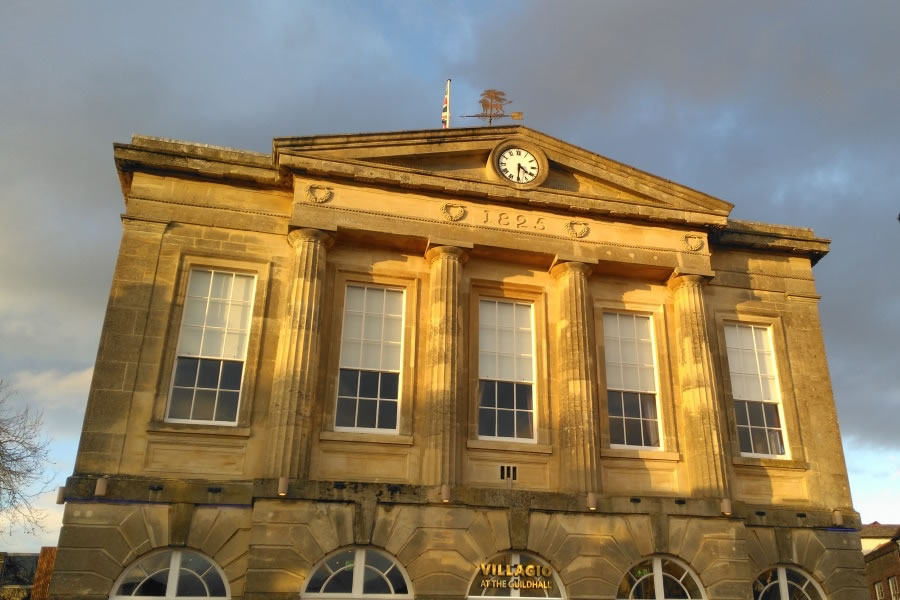
By the time of the Domesday Book in 1086, Andover was already a significant settlement. Its position on key trading routes helped it develop into a thriving market town, a tradition that continues today in its High Street markets and independent businesses.
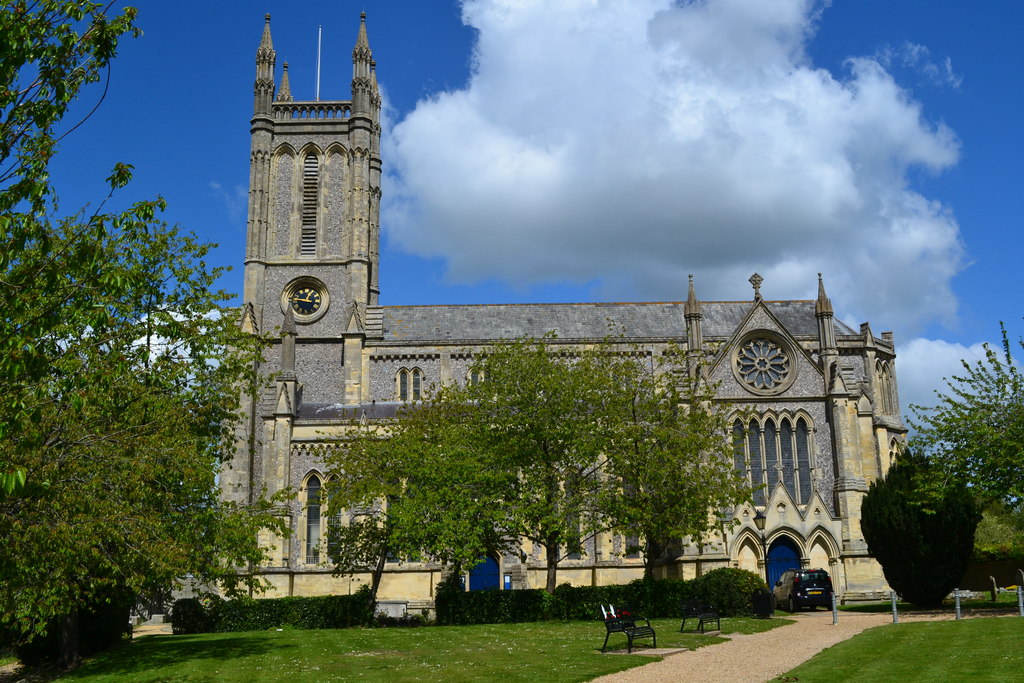
The town’s historic St Mary’s Church, with origins in the 12th century, remains a striking landmark at the heart of the community. Meanwhile, the Andover Museum and Museum of the Iron Age preserves the area’s archaeological treasures, connecting residents with their ancient past.
This is not a town without heritage. It is a town layered with it.
Military and Industrial Identity
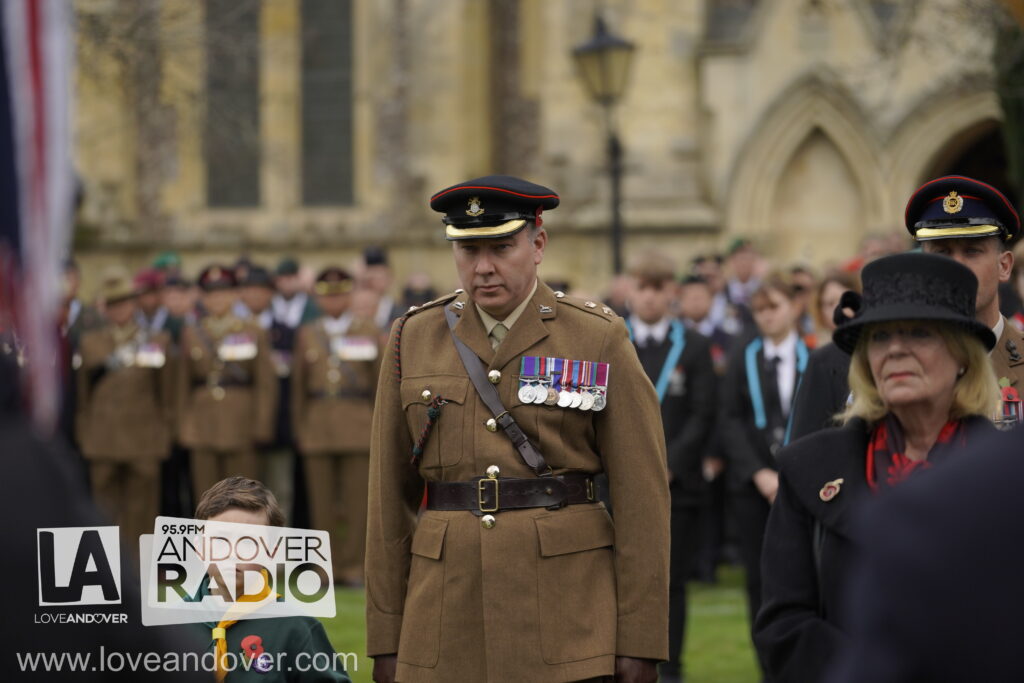
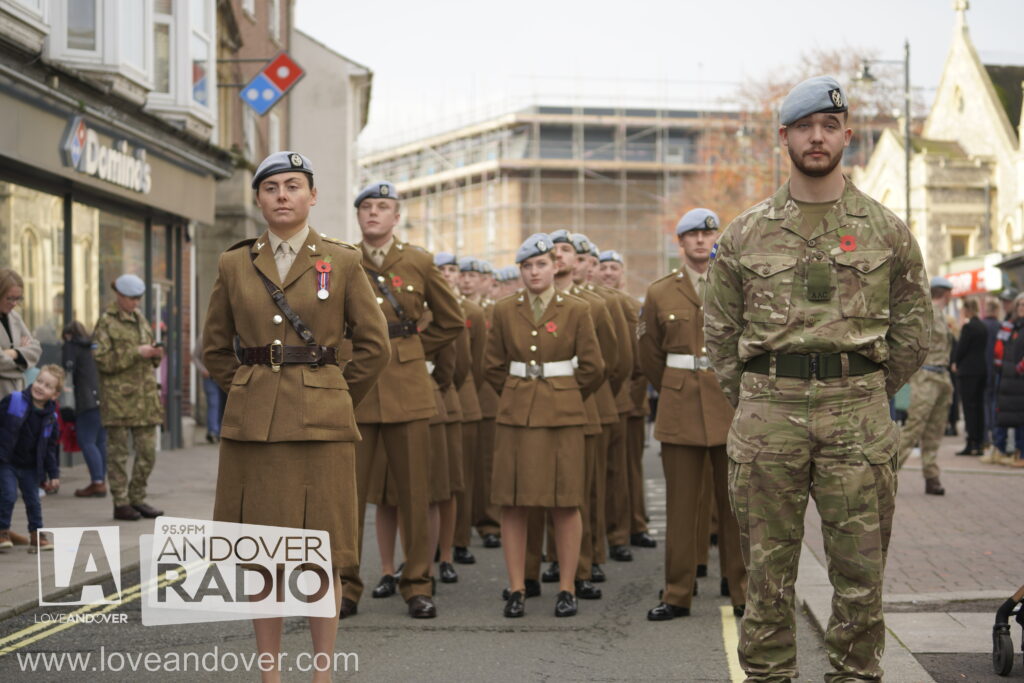
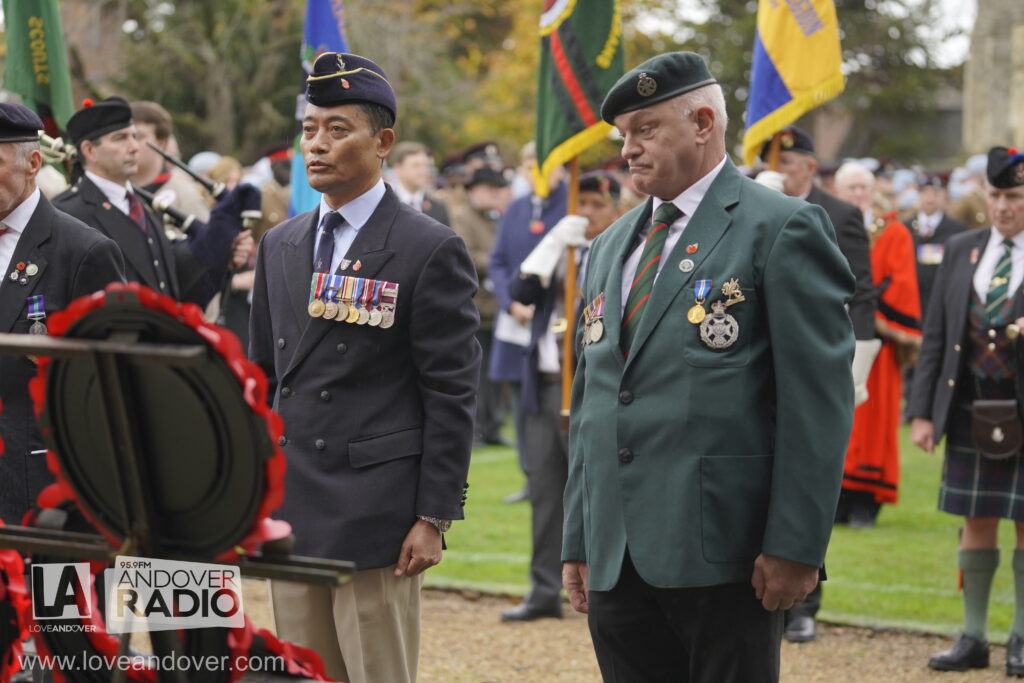
Andover’s modern identity has also been shaped by service and industry. The presence of Army Headquarters and the nearby Army Flying Museum reflects the area’s longstanding relationship with the British Army and aviation.
The railway works, once a major employer, helped define Andover’s industrial era, while agriculture has long underpinned the surrounding Test Valley economy. These strands — rural, military, industrial — form a distinctive narrative not shared by every market town.
The question for Town of Culture judges would be simple: can Andover weave these threads into a modern cultural programme that speaks to 2028 and beyond?
Culture Already Thriving
Andover is not starting from scratch.
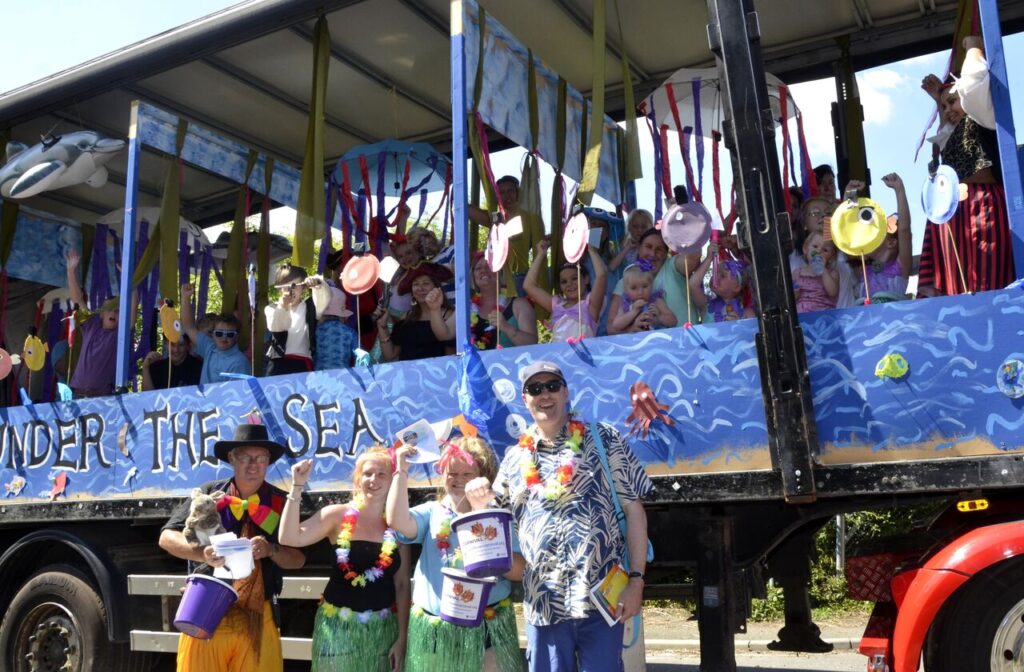
The The Lights hosts theatre, comedy, music and community performances year-round. The annual Andover Carnival brings colour and creativity to the streets, while grassroots music events such as Andover Rocks continue to showcase emerging local talent.
But beyond its venues and events, Andover’s cultural strength lies in its people.
The town is home to a rich and growing Nepalese community, adding vibrancy, tradition and global perspective to local life. Their presence is reflected not only in cuisine and business, but in cultural celebrations that bring communities together and broaden understanding.
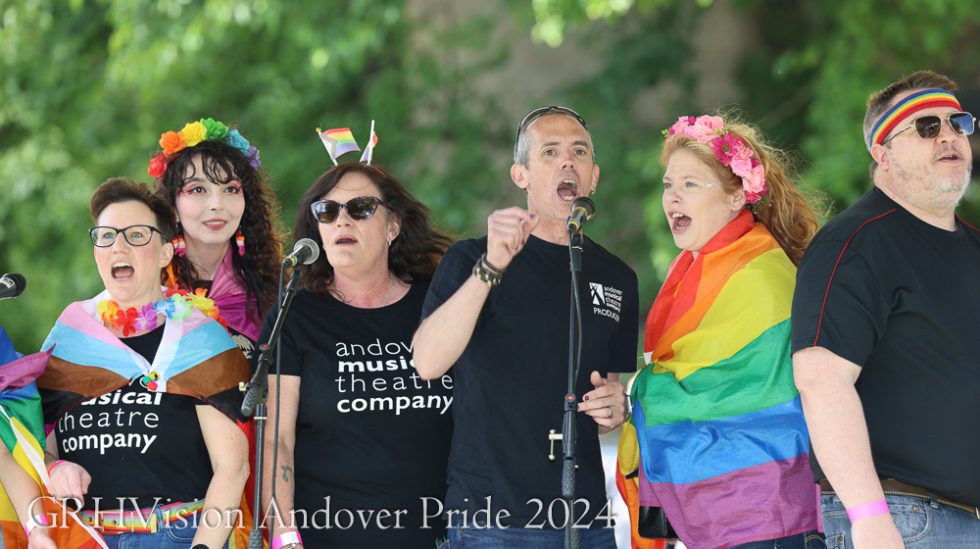
In recent years, Andover has also embraced inclusive and representative events such as Andover Pride and Black History Month celebrations — clear signals of a town becoming more confident in expressing its diversity and ensuring culture is accessible to all.
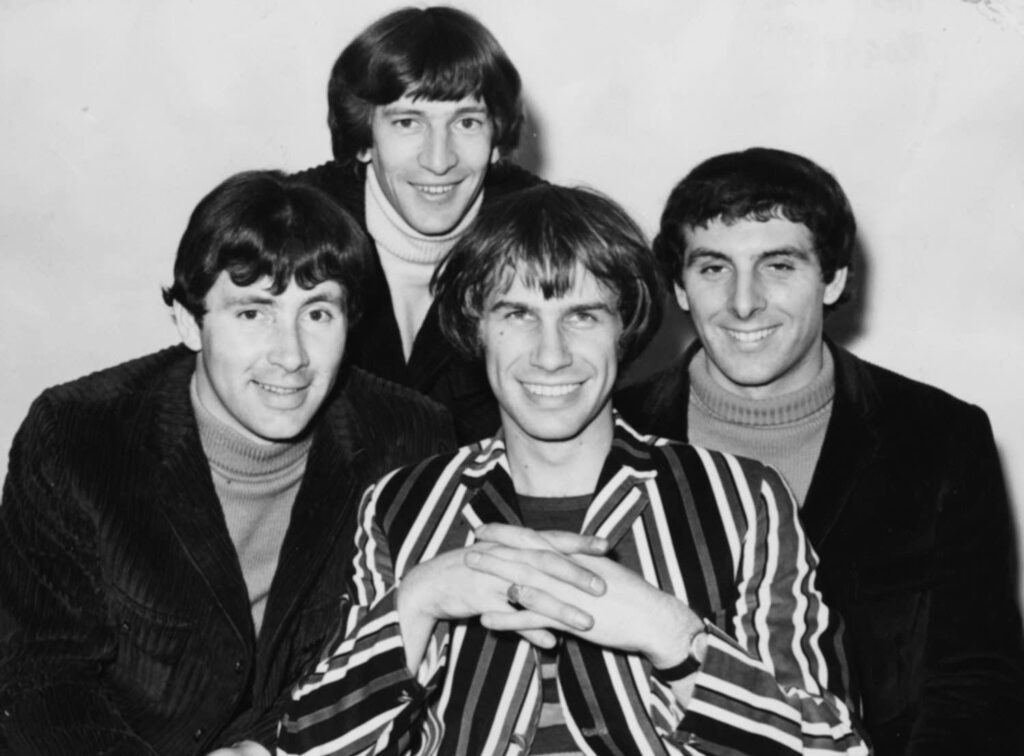
Andover’s creative pedigree also reaches far beyond its borders. The town is the birthplace of The Troggs, whose music has had a lasting global impact. Iconic tracks such as Wild Thing and Love Is All Around have transcended generations, featuring in films, adverts and charts around the world — a reminder that creativity from Andover has already resonated on an international stage.
Add to that the work of local charities, youth sports clubs, faith organisations and independent businesses, and a picture emerges of a town with deep cultural roots and a growing, inclusive identity.
Town of Culture bids must demonstrate “Culture for Everyone”. In Andover, that story is already being written.
Can It Deliver?
The final criterion — “Making it Happen” — may be the most critical.
A year-long programme requires infrastructure, funding partnerships, business backing and council coordination. It demands ambition but also realism. Andover would need Test Valley Borough Council, Hampshire County Council, local businesses and community leaders aligned behind a single, confident vision.
The prize — £3 million — would not simply fund events. It could improve facilities, invest in young creatives, enhance tourism and strengthen civic pride. Even reaching the shortlist would bring £60,000 towards developing a fully costed, professional bid.
For a town sometimes unfairly described as “commuter” or “quiet”, a Town of Culture bid could reframe the narrative.
The Risk — and the Opportunity
There is, of course, risk in entering. A bid demands time, money and energy. Failure can dent morale.
But there is also risk in not entering.
At a time when high streets face pressure and communities seek identity in a fast-changing world, the process of crafting a cultural vision can be transformative in itself. It forces a town to ask: who are we? What do we stand for? What do we want to become?
Andover’s story — from Iron Age hillfort to modern market town; from railway works to Army headquarters; from ancient church bells to contemporary theatre lights — is distinctive.
Whether that story is bold enough for a national stage depends not on history alone, but on confidence.
It is easy to overlook what is on our doorstep. But Andover has every reason to be proud of what it is — and what it is becoming. The question is no longer whether the town has the credentials, but whether it has the confidence.
With the 31 March 2026 deadline approaching, the decision will rest with local leaders and partners. But one thing is certain: Andover has more to say than it sometimes realises.
The real question may not be whether Andover can apply — but whether it dares to.