
Hampshire and Isle of Wight Constabulary will deploy its new live facial recognition vans for the first time next week, using the technology to identify priority suspects and support officers tackling crime across both counties.

The force will begin using the two fully equipped vans following a successful pilot last year, which showed how the technology can help officers quickly identify individuals wanted for high-risk and priority offences. The first deployment will take place in Southampton on Thursday 18 December, as part of Operation Predict patrols targeting shoplifting and anti-social behaviour in the city centre.
Local teams will work alongside specially trained staff from the Joint Operations Unit, who will operate the vans and verify any alerts before passing information to officers on the ground. The vans will be clearly marked, with posters and leaflets distributed nearby to explain how the technology works. Officers will also be available during the operation to answer questions from the public.
Assistant Chief Constable for the Joint Operations Unit, Robert France, said:
“We are very excited to get these vans out into our communities where they can really make a difference when it comes to fighting crime.
“We have seen how successful the use of this technology has been for other forces across the country when it comes to arresting outstanding suspects, so we cannot wait to get them deployed and supporting our officers on their patrols.
“It was clear from our pilot in September last year, just what an effective tool it can be for our teams, not just when it comes to tracking down high priority suspects but also to help reduce crime in the area more generally.
“This sort of precision policing that sees the latest technology working in the background targeting those most wanted criminals, allows our officers to focus more on responding to emergencies, spending time patrolling and investigating crime.
“We’re also excited to see how it can support us helping the most vulnerable within our communities too, especially when it comes to high-risk missing people, when time really is of essence.”
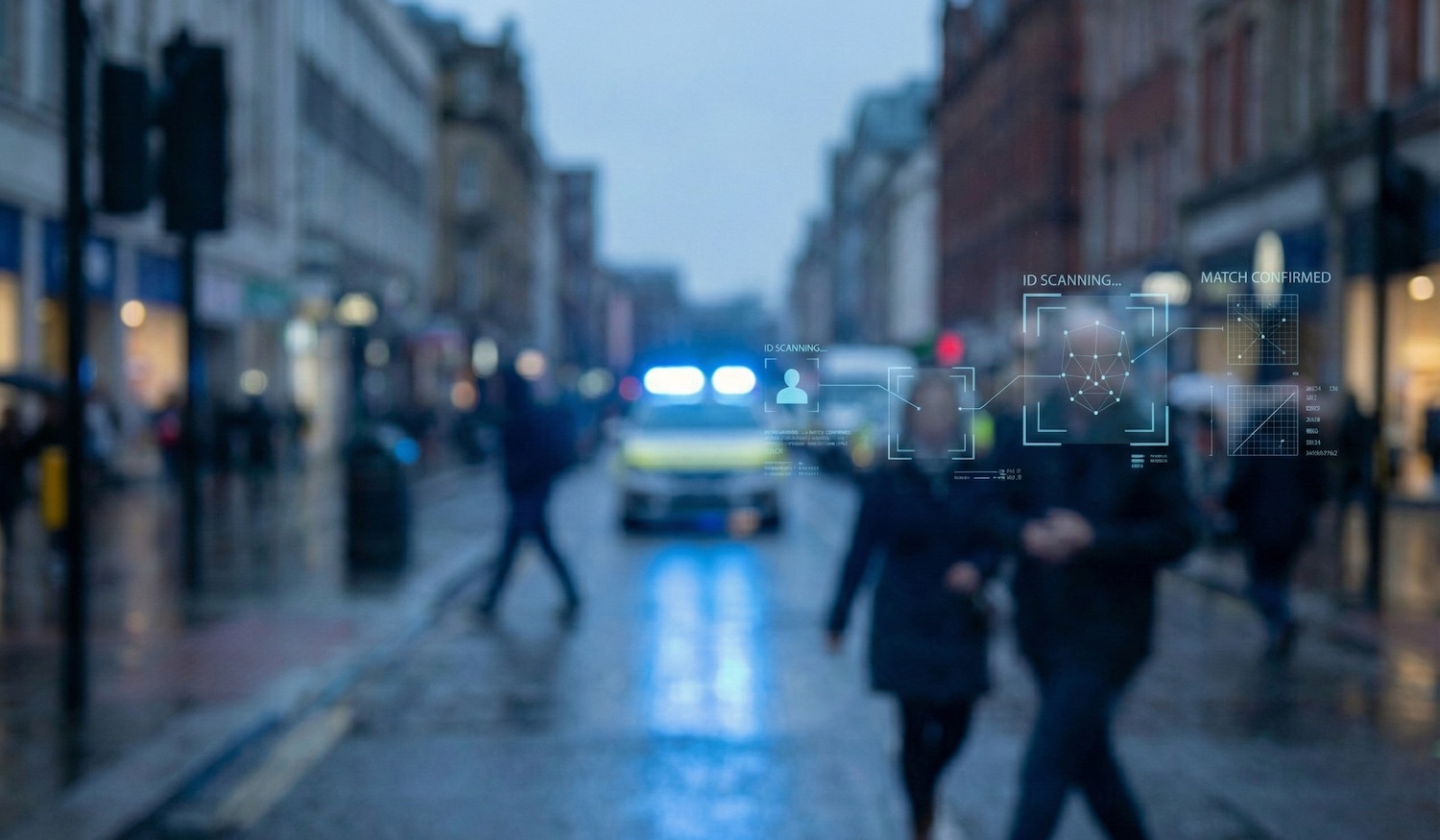
The technology scans crowds in real time, creating biometric facial templates which are compared only against a specific watchlist for each deployment. Templates that do not trigger an alert are automatically deleted within seconds, and if someone is not on the list, their face cannot be matched.
Watchlist images and templates are routinely deleted within 24 hours, while CCTV footage from deployments is deleted within 31 days in line with standard public camera practice.
ACC France added that improvements to the software have addressed concerns around misidentification and that the use of the technology will be closely monitored.
“We know that some people are concerned about misidentification, particularly in relation to those from ethnic minority backgrounds and women.
“This is a really important issue and the technology has been significantly upgraded and undergone stringent independent testing to address the issues which were identified in early versions of the software as far back as 2019. I am confident that we will see extremely low levels of misidentification and we will be monitoring this closely.”
Police and Crime Commissioner for Hampshire and the Isle of Wight, Donna Jones, said:
“This technology is ground-breaking. It’s helping lead to the faster detention of suspects which is freeing up police time to fight crime, patrol our streets and respond to emergencies.
“This is a forward-thinking approach for modern policing and is another vital step in further protecting our communities.”
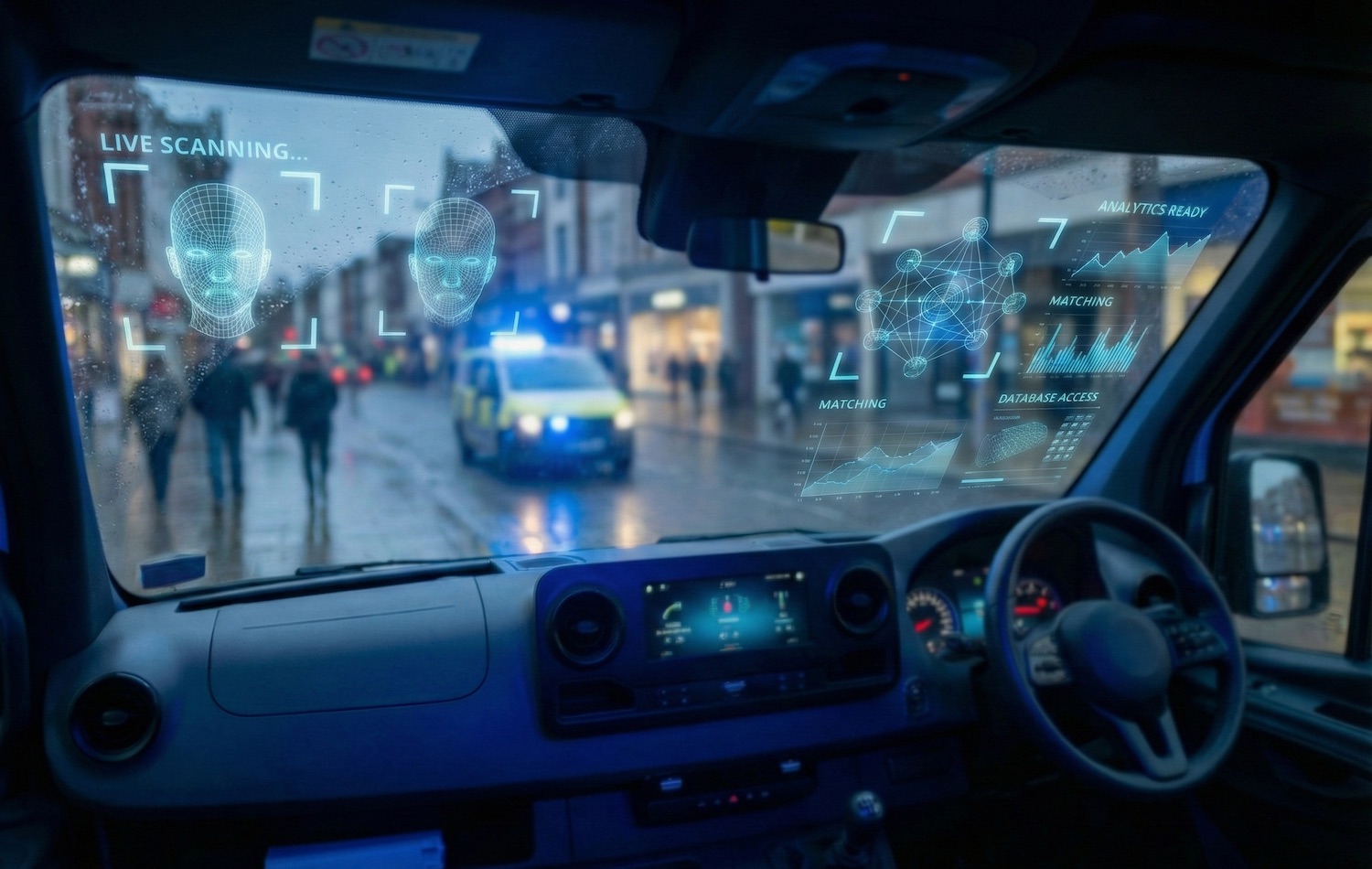
Deployments will be publicised seven days in advance, as with the original pilot. The constabulary highlights that the technology does not take photographs of passers-by; instead, it creates short-lived biometric templates to check against a predetermined watchlist.
Other forces have already reported results from their own deployments, including hundreds of arrests for offences such as robbery, domestic abuse, knife crime, rape and breaches of sex offender conditions. Home Office figures show that the Metropolitan Police have used live facial recognition to make 1,300 arrests over the past two years.
Further information is available on the Hampshire and Isle of Wight Constabulary website.