
When you call or visit your local GP surgery, the receptionist is your first point of contact – and a key part of ensuring you get the care you need, as quickly as possible.
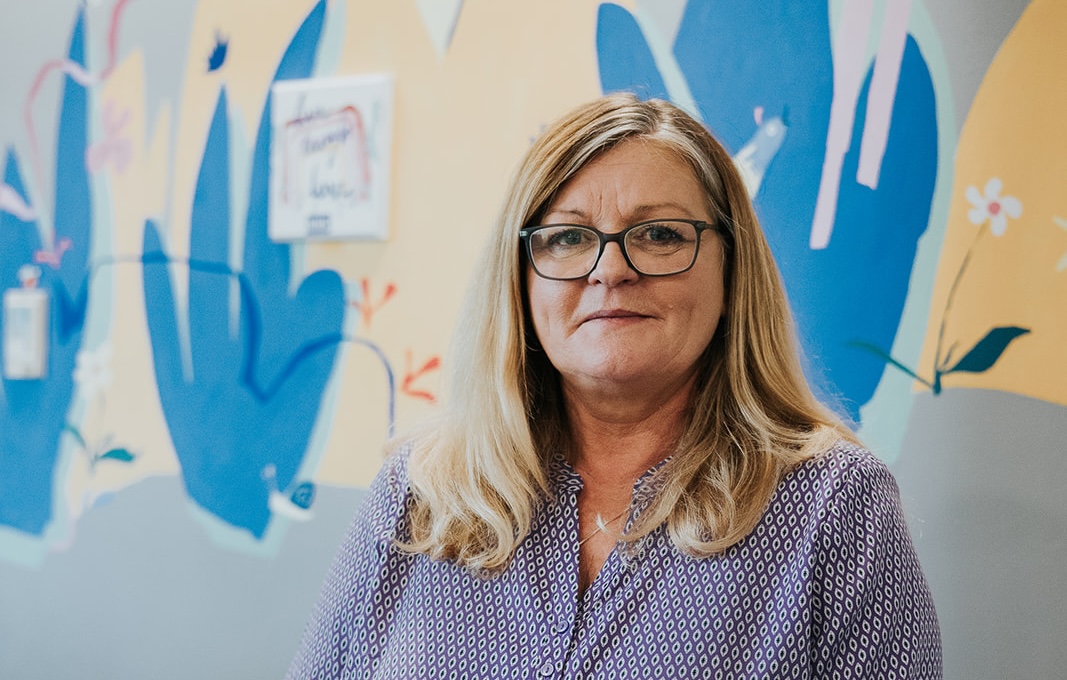
Receptionists are trained to ask questions about your symptoms so they can book you in with the most appropriate healthcare professional. This may be a GP, nurse, pharmacist, dietitian or another specialist working within your GP practice.
Nichole James, a GP receptionist in Hampshire, explained:
“Any information given to me by a patient is dealt with in strict confidence. The more information we are given, the better we can direct the patient to the right person. I love my job and really enjoy speaking to patients on a daily basis.”
The role of the receptionist is more than answering phones. They also update patient records, help with repeat prescriptions, support administrative tasks, and deal with a wide range of patient interactions – sometimes including highly emotional calls involving bereavement, diagnoses, or domestic violence.
Dr Zaid Hirmiz, a Hampshire GP and Deputy Chief Medical Officer for NHS Hampshire and Isle of Wight, added:
“GP receptionists do a brilliant job. They are trained to help patients access the right service and we value their work immensely. Please be patient – they are doing their best to help you.”
This month, GP receptionists are being spotlighted as part of the NHS Hampshire and Isle of Wight’s It Takes a Team campaign, which highlights the range of expert roles available within local practices. The 12-month campaign features a different specialist each month to raise awareness of the wider healthcare team working behind the scenes.
For more information on the campaign and the different roles available at your GP practice, visit the NHS Hampshire and Isle of Wight website.